Italian Design DNA Meets Chinese Precision: The Future of Luxury Furniture Manufacturing
The Convergence Nobody Saw Coming
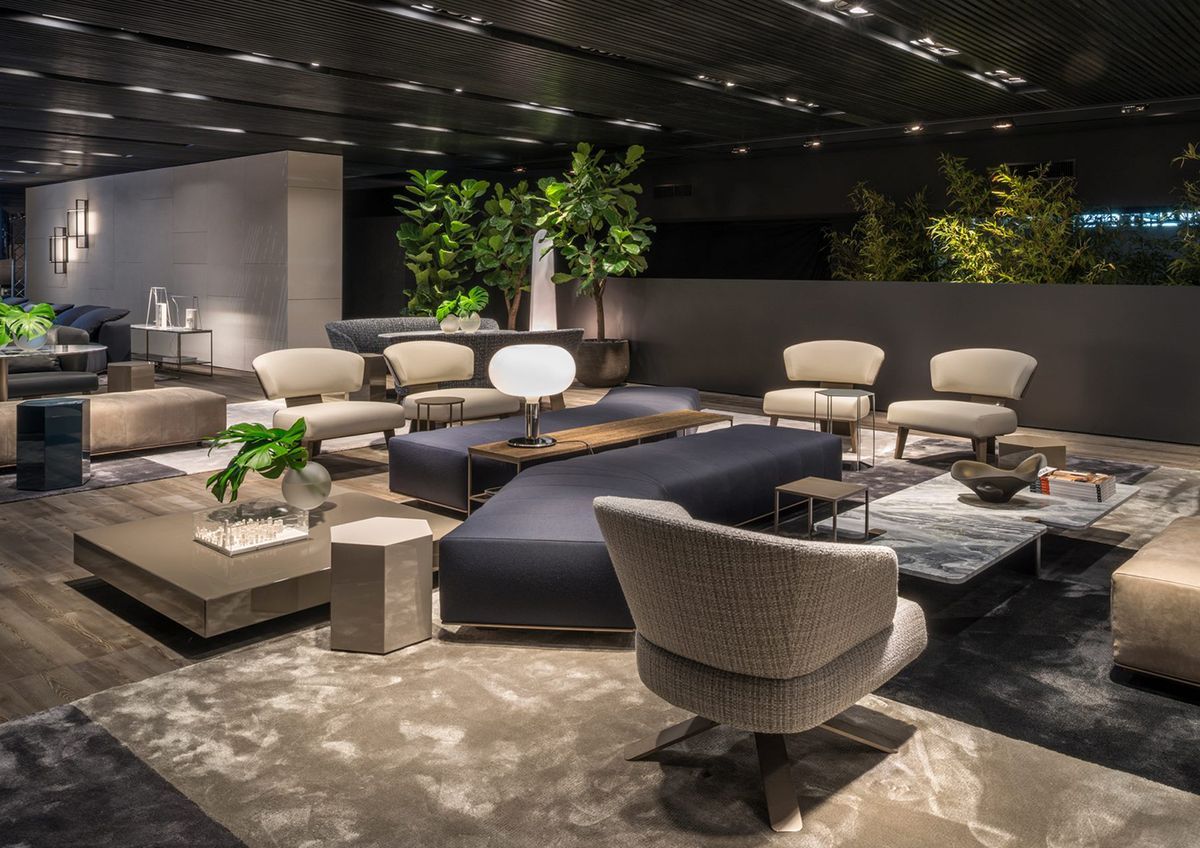
Ten years ago, suggesting that China could produce furniture matching Italian luxury standards would've gotten you laughed out of any design meeting. Today? Italian luxury brands are actively partnering with Chinese manufacturers, and the results are reshaping the entire industry.
This isn't about China copying Italy. It's about something far more interesting: a genuine fusion where Italian design philosophy meets Chinese manufacturing innovation, creating possibilities that neither could achieve alone.
Let's be crystal clear about something Italy's dominance in luxury furniture wasn't accidental. Centuries of craftsmanship tradition, art academies that teach proportion and aesthetics, a cultural obsession with beauty that permeates every aspect of Italian life.
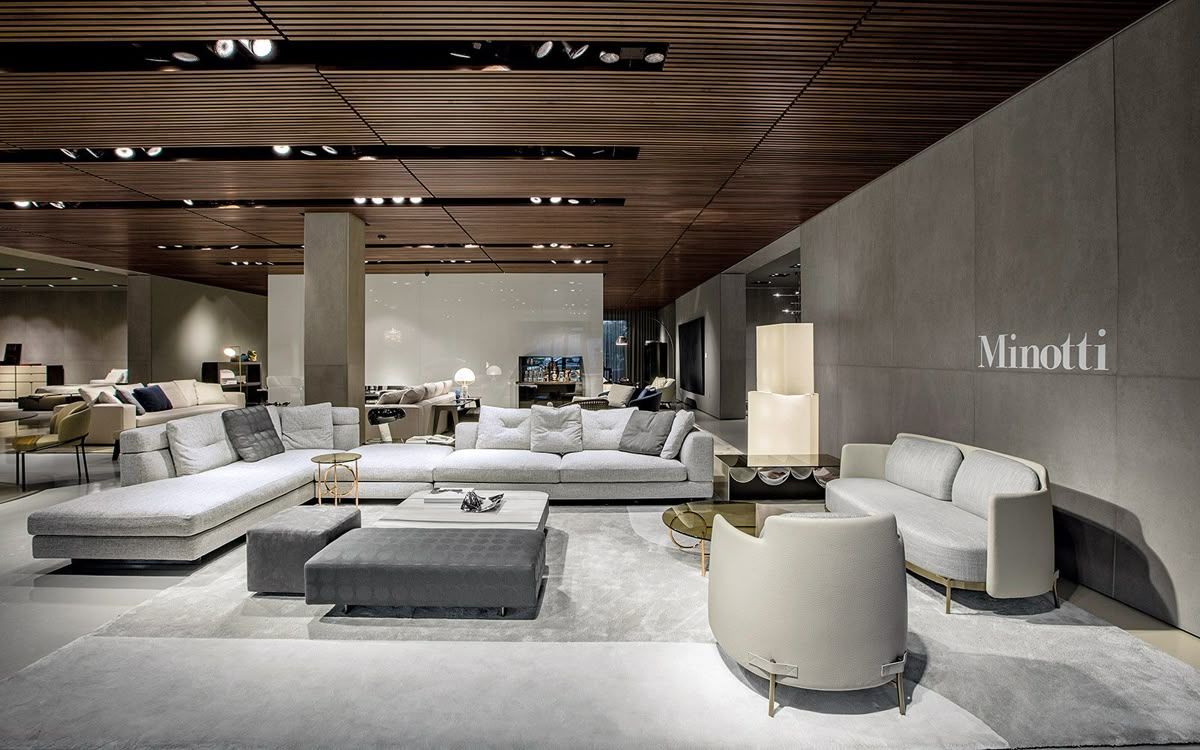
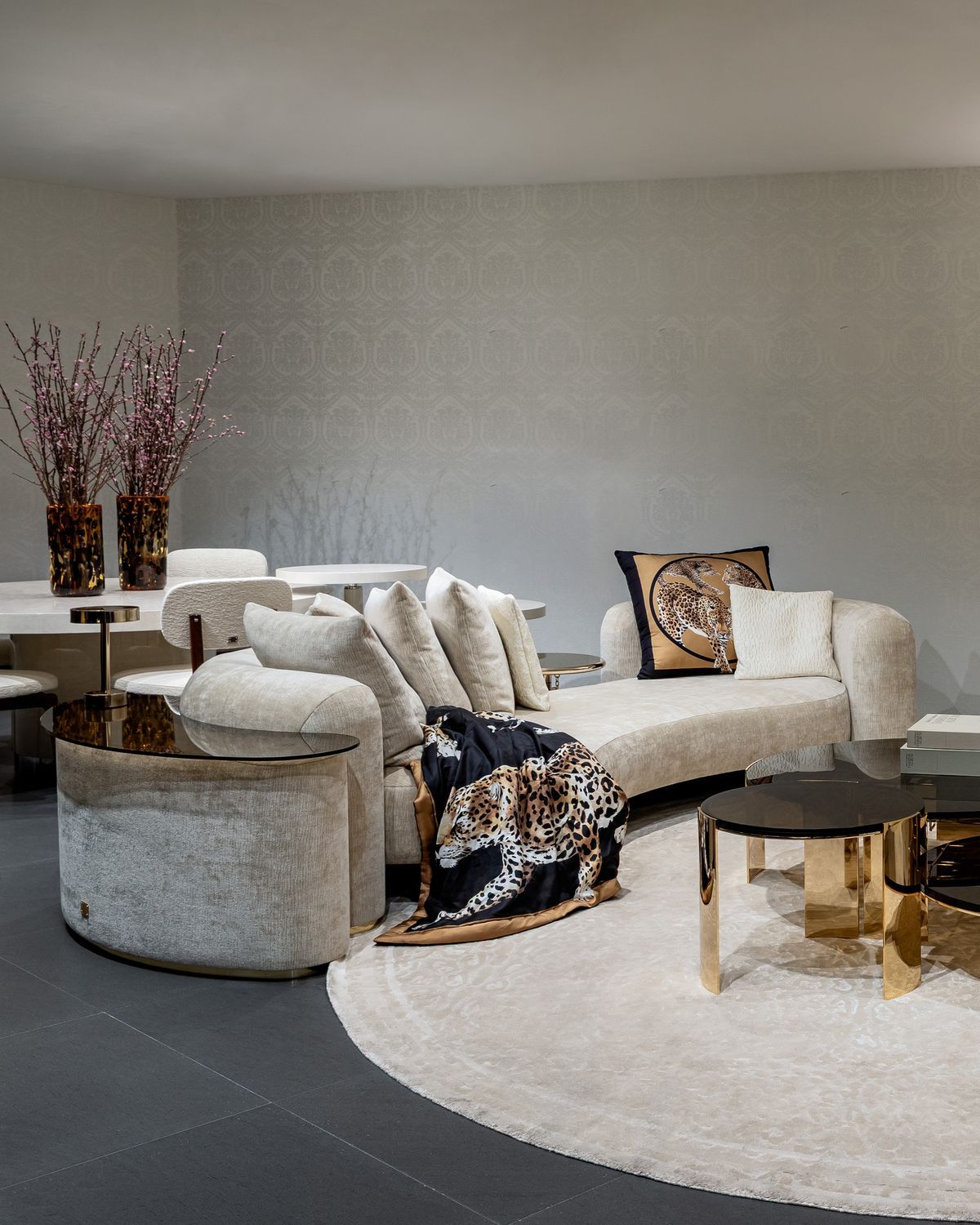
When you look at a Minotti sofa or a Molteni & C credenza, you're seeing design principles refined over generations. The way curves flow, how proportions create visual harmony, the subtle details that distinguish extraordinary from merely good that's Italian design DNA, and it remains the global gold standard.
But here's what's changed: that design expertise is no longer geographically locked.
China's Evolution: From Manufacturing to Mastery
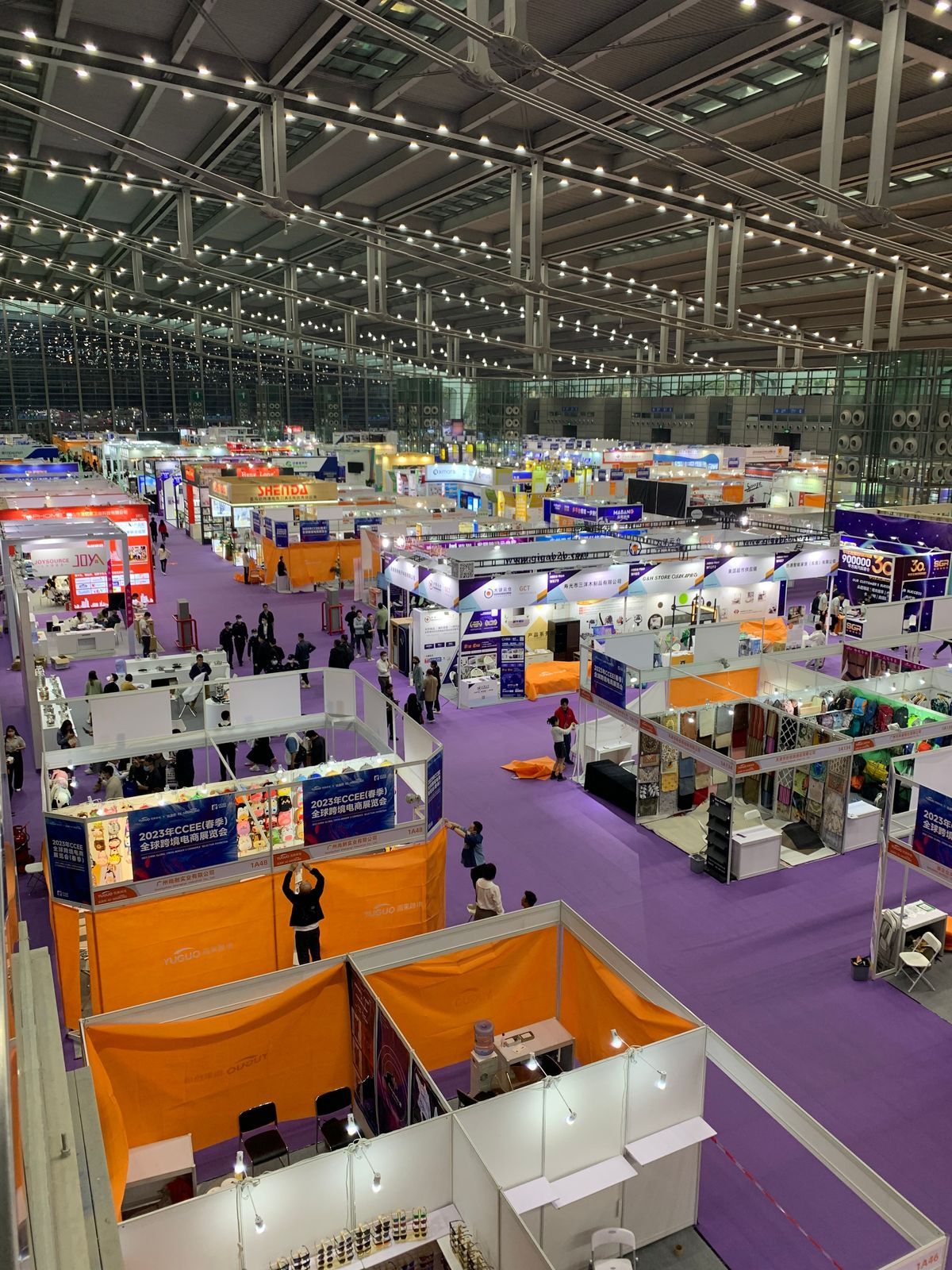
Foshan's transformation over the past decade has been remarkable. The city went from producing budget furniture for export markets to hosting design studios staffed by Italian-trained designers, factories equipped with technology that exceeds most European manufacturers, and craftsmen whose skills rival traditional Italian artisans.
How did this happen? Intentional strategy. Chinese manufacturers partnered with Italian design houses, hired European designers as consultants, sent their craftsmen to train in Italy, and invested billions in advanced manufacturing technology.
Giorgetti's flagship Foshan showroom isn't just a retail space it's a statement that Chinese manufacturing has reached a level where prestigious Italian brands actively embrace it.
The Technology Advantage Nobody Talks About
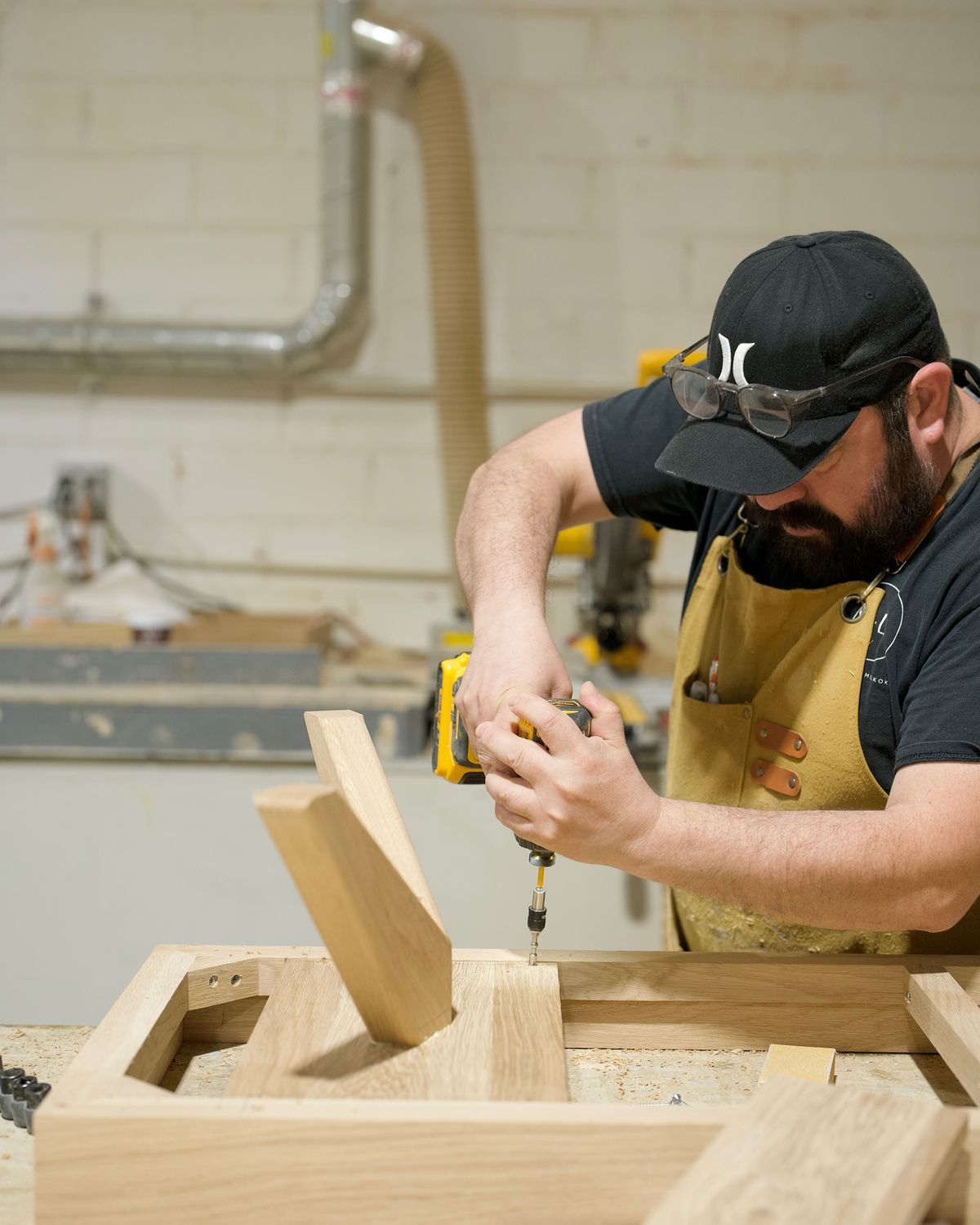
Here's where things get really interesting. Traditional Italian furniture making relies heavily on artisan skills developed over decades. That's beautiful, romantic even. But it also creates limitations.
Chinese manufacturers approached luxury furniture differently. They asked: "What if we combined master craftsmanship with cutting-edge technology?" The result? Factories where CNC machines execute complex curves and joinery with tolerances measured in fractions of millimeters, while master craftsmen focus on hand-finishing, custom detailing, and quality verification. A curved sofa back that might require weeks of hand-shaping in a traditional Italian workshop can be CNC-milled in Foshan within days with better consistency.
That's not eliminating craftsmanship. It's amplifying human expertise by letting machines handle repetitive precision work.
Material Sourcing: Best of Both Worlds

One question I hear constantly: "If it's made in China, how can it have authentic Italian materials?"
Simple answer: premium Foshan manufacturers maintain direct relationships with European suppliers. They're importing the exact same leather from Italian tanneries, the same hardware from German manufacturers, the same crystals from Austria that European furniture makers use.
When Minose sources furniture through our Foshan partnerships, we're not compromising on materials we're accessing the same supply chain that feeds Milan's luxury furniture district. The difference is we're not paying Milan's manufacturing labor costs, showroom overhead, or brand premiums.
The Customization Revolution
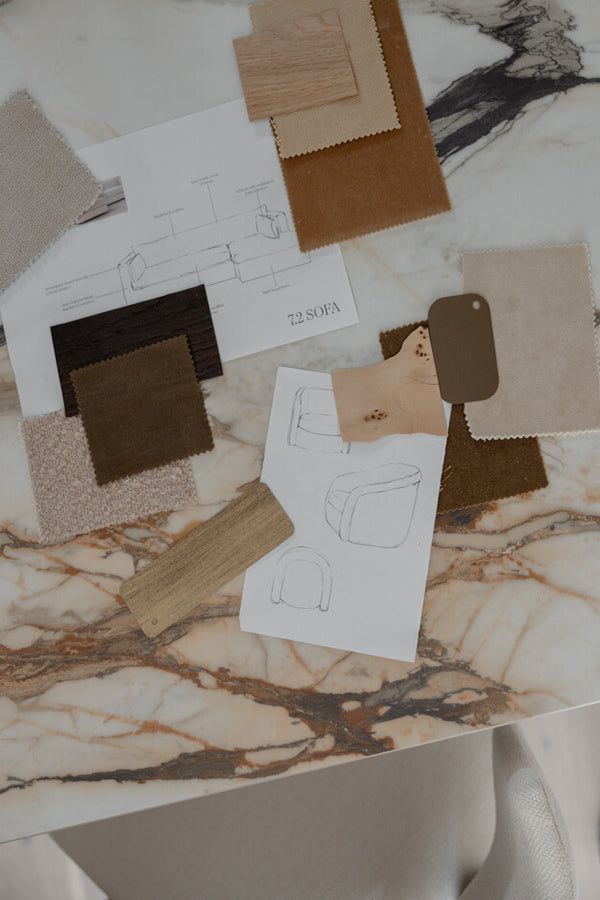
Traditional Italian manufacturers typically offer customization within defined parameters choose from approved fabric options, select from standard dimensions, pick your finish from available samples.
Chinese factories? They've built their entire business model around unlimited customization. Because when you've invested in flexible manufacturing systems and advanced technology, accommodating custom requests becomes operationally feasible rather than prohibitively expensive.
Want a dining table that's exactly 2.7 meters long because that's what fits your dining room perfectly? Done. Need your sofa with integrated USB charging, adjustable headrests, and a custom fabric that matches your existing curtains? No problem. Envision a bedroom set with hidden compartments, motorized features, and exotic wood inlays? Let's make it happen. That level of flexibility simply doesn't exist in traditional European furniture manufacturing.
The Brand Collaborations That Validate Everything
You know what convinced me this wasn't just hype? When I saw the list of luxury brands Minose collaborates with: Bentley, B&B Italia, Fendi Casa, Armani Casa, Natuzzi, Molteni & C, Roberto Cavalli.
These aren't brands that risk their reputation lightly. When Fendi Casa partners with Chinese manufacturers, they're conducting exhaustive due diligence, implementing rigorous quality standards, and continuously auditing production.
The fact that Europe's most prestigious furniture brands now embrace Chinese manufacturing tells you everything about where quality standards have reached.
The Economics Make This Inevitable
Look, luxury will always command premium pricing. But the traditional European model where 60-70% of retail price goes to intermediaries rather than actual furniture quality? That's not sustainable.
Direct Foshan sourcing changes the equation entirely. When you eliminate importer markups, distributor margins, and showroom commissions, suddenly you can invest 40-50% more in actual furniture quality better materials, more complex construction, superior finishing while still paying less overall. That's not a discount proposition. That's value optimization.
Where This Is All Heading
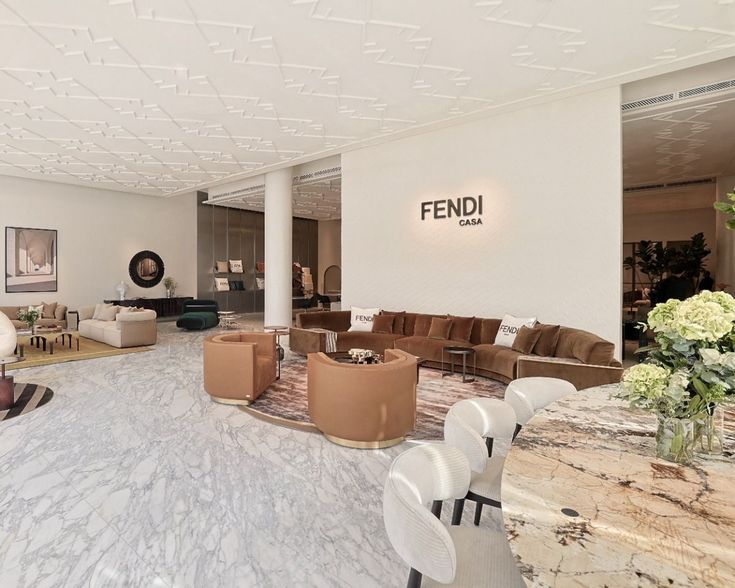
The future of luxury furniture isn't "Italy versus China." It's Italian design excellence executed through Chinese manufacturing precision, creating furniture that's better customized, more technologically advanced, and more accessible than what either region could produce independently.
The smart buyers already understand this. They're working with sourcing partners like Minose who bridge both worlds bringing Italian aesthetic sensibilities to Foshan's manufacturing capabilities, ensuring quality through rigorous oversight, and delivering furniture that honors traditional luxury values while embracing modern possibilities. That's not compromise. That's evolution.