From Lecong to Your Living Room: Navigating China's Largest Luxury Furniture Markets
The First Time You See Lecong, Your Brain Short-Circuits
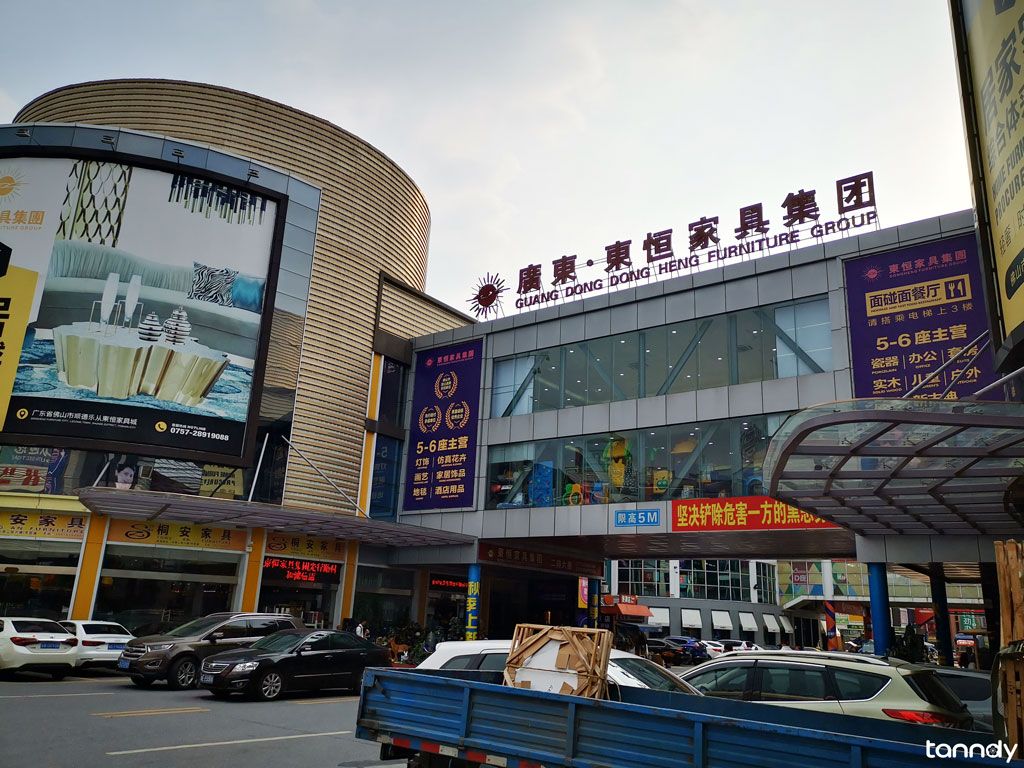
Picture this: you're standing at the entrance of what might be the world's largest furniture trading hub. We're talking 3.8 million square meters of furniture showrooms, spread across multiple districts, representing over 3,800 manufacturers.
That's Lecong. And if you're not prepared, it's absolutely overwhelming.
I've watched first-time visitors just freeze, paralyzed by choice. Where do you even start when you've got hundreds of buildings, each containing dozens of showrooms, each displaying thousands of furniture pieces?
Let me walk you through how to actually navigate China's furniture markets without losing your mind or your money.
Understanding the Foshan Furniture Ecosystem
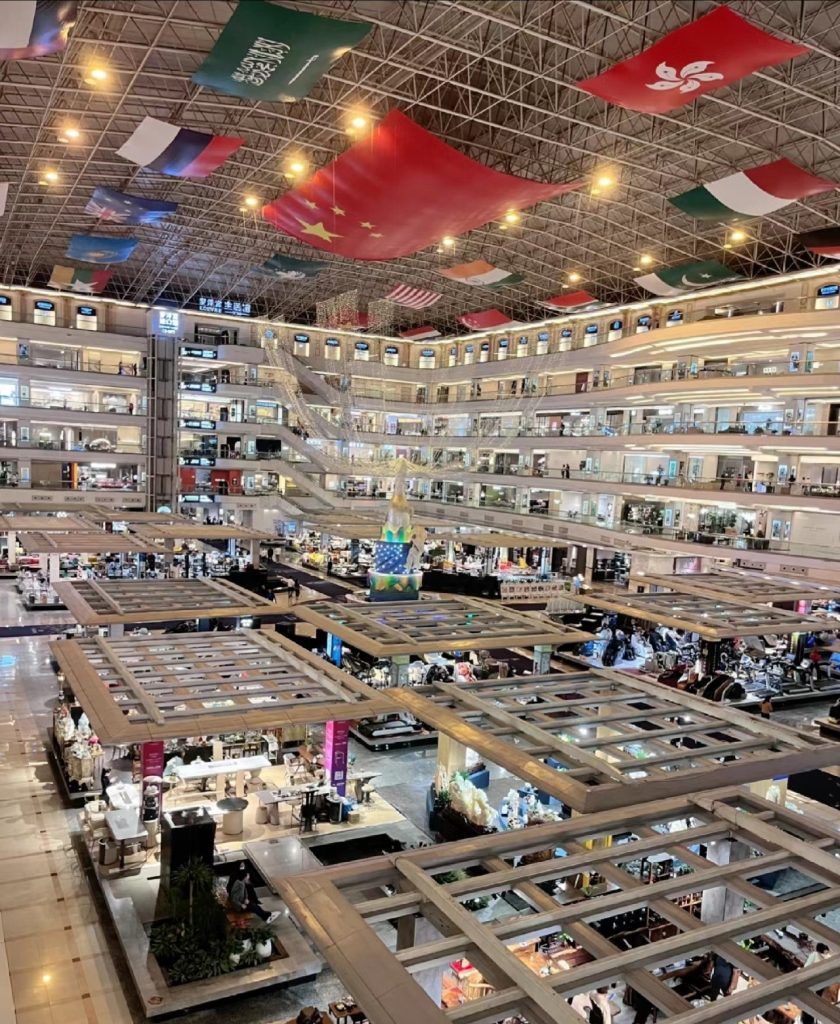
First, you need to understand that Foshan isn't one market it's an entire ecosystem of specialized districts, each with distinct characteristics.
Think of it like this: if Foshan were New York, Lecong would be Midtown Manhattan (massive, commercial, overwhelming), the Louvre Market would be the Upper East Side (refined, upscale, curated), and Shunde would be Brooklyn (edgier, more experimental, design-forward).
Knowing which district matches your project needs determines whether you have a productive trip or waste days wandering aimlessly.
Lecong International Furniture Market: Volume and Variety
What it's best for: Large-scale projects hotels, residential developments, corporate offices, entire home furnishings.
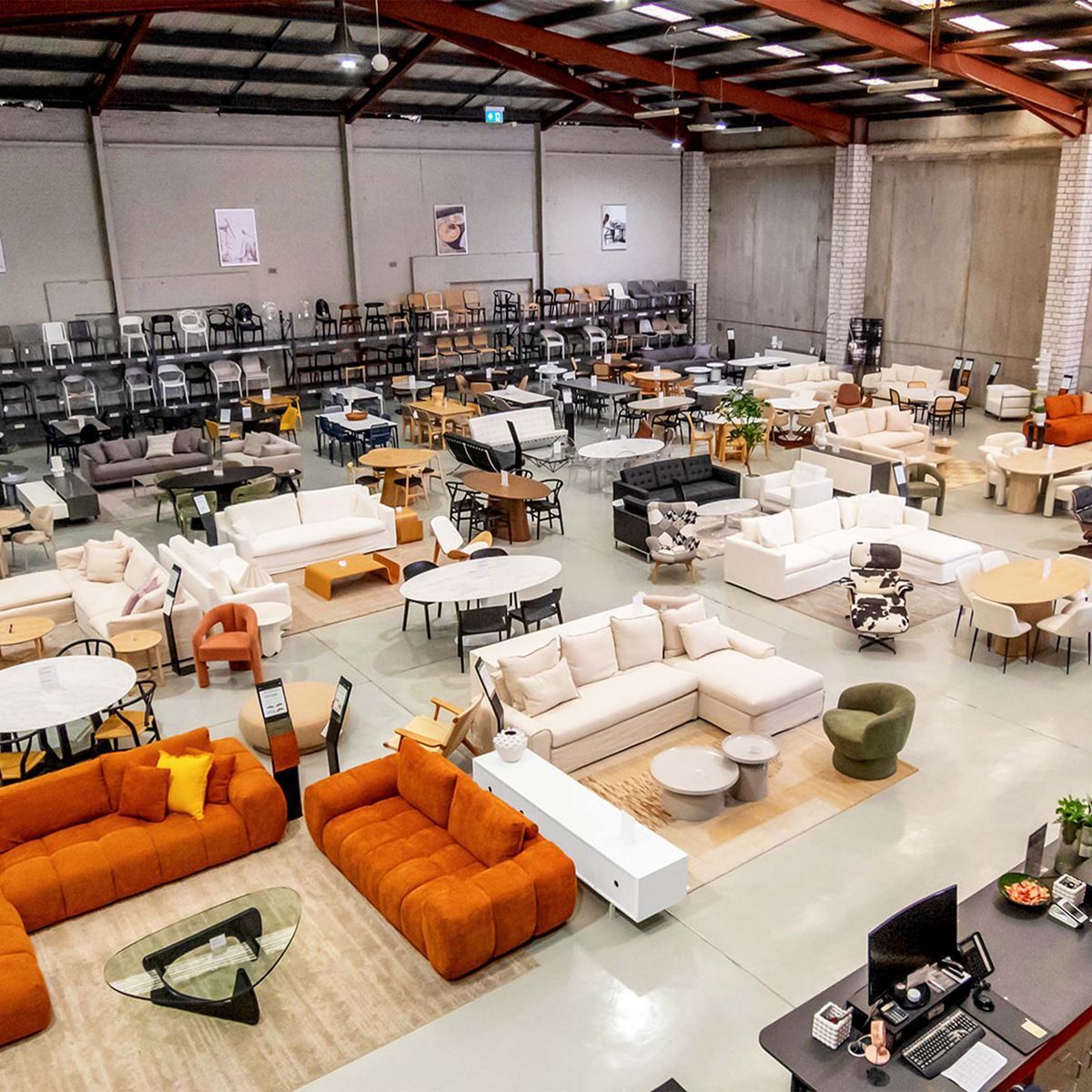
Lecong is where you go when you need to source furniture in volume or require incredible variety across categories. Need bedroom furniture, dining sets, outdoor pieces, lighting, and decorative accessories all in one trip? Lecong has everything.
But here's the catch Lecong is designed for wholesale buyers and trade professionals. Many showrooms have minimum order quantities. Some won't even let you in without trade credentials. And the sheer scale means you absolutely need guidance from someone who knows which buildings house which product categories.
Pro tip: Allocate at least 2-3 full days for Lecong, and that's with a focused plan. Trying to "just browse" Lecong is like trying to visit every restaurant in a city in one afternoon you'll exhaust yourself and accomplish nothing.
The Louvre Furniture Market: Where Luxury Lives
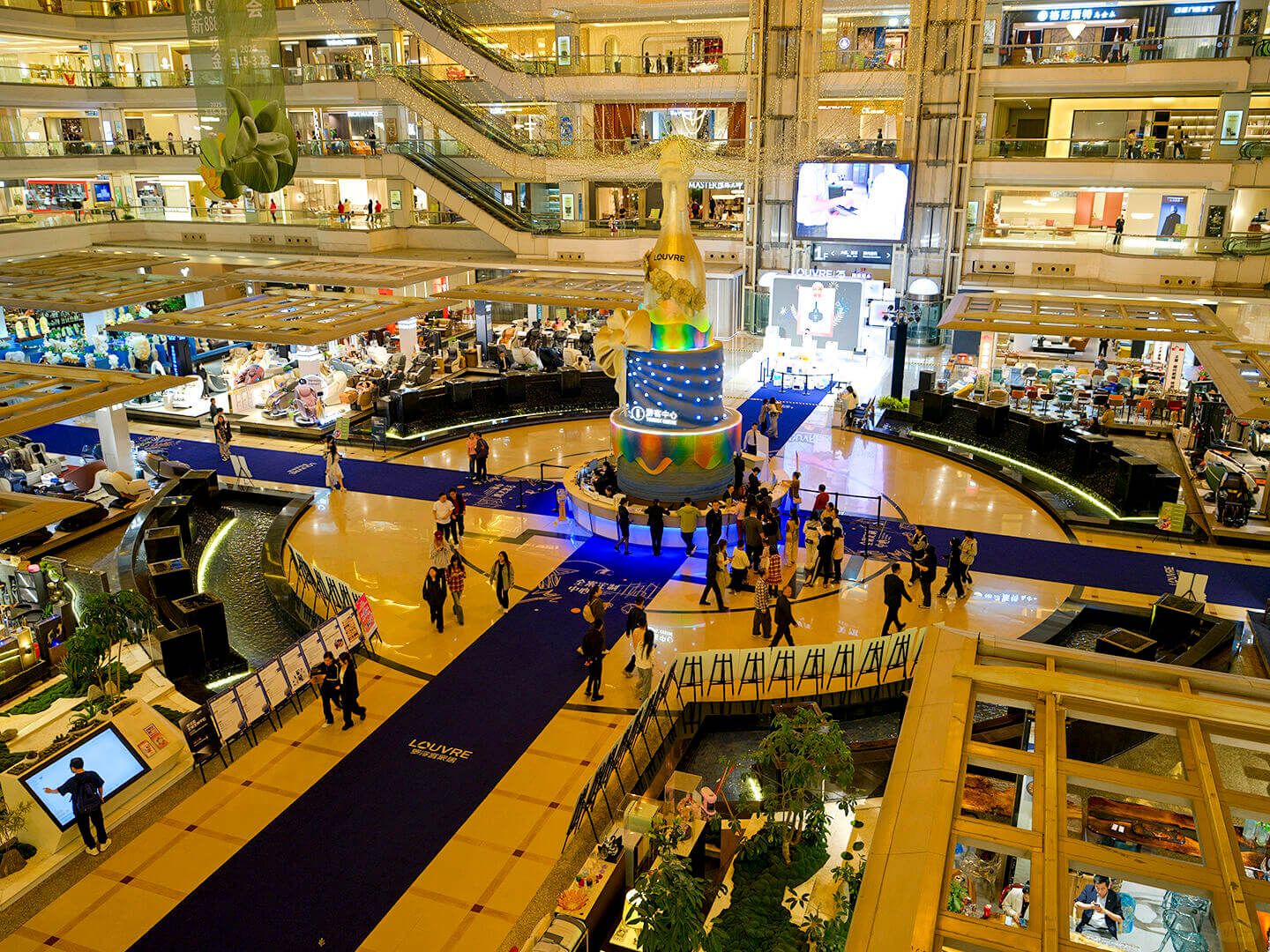
What it's best for: High-end residential projects, luxury hotels, clients who prioritize craftsmanship over price.
The Louvre Market feels completely different from Lecong. Smaller, more curated, with an emphasis on premium brands and exceptional quality. Showrooms here display furniture that rivals anything you'd find in Milan or Paris because in many cases, it's manufactured to the same specifications.
What I love about the Louvre Market is the aesthetic consistency. You're not filtering through budget furniture to find luxury pieces everything here meets a certain quality threshold. That makes shopping more efficient when you're working with luxury budgets and high expectations.
The manufacturers in Louvre Market are also more accustomed to working with international clients and custom specifications. They understand concepts like "Italian contemporary" or "French Provincial" because they've been producing furniture for international luxury brands for years.
Real talk: Expect prices at Louvre to be 20-30% higher than other Foshan markets. But you're paying for superior craftsmanship, premium materials, and the confidence that comes with established reputations.
Red Star Macalline: The Comfortable Middle Ground
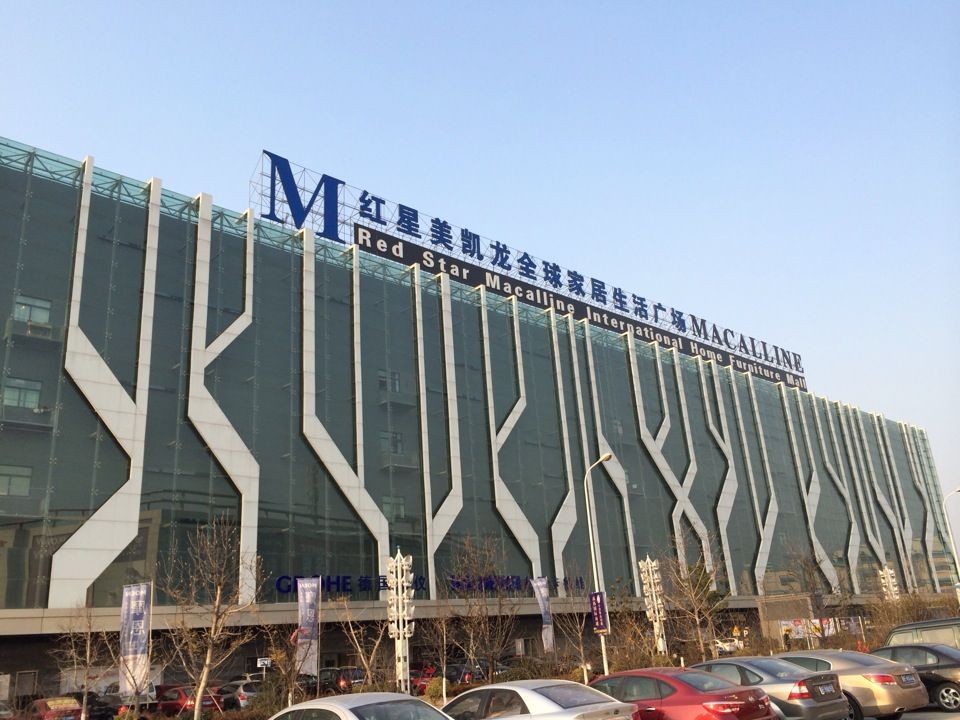
What it's best for: First-time Foshan buyers, clients who want luxury but find traditional markets intimidating, anyone who prefers organized shopping experiences.
Red Star Macalline is Foshan's answer to "What if we created a luxury furniture mall instead of a wholesale market?".
It's climate-controlled. The sales staff speak English. Everything's organized by style contemporary on one floor, classical European on another, Chinese Neo-Traditional in dedicated pavilions. There are cafes where you can take breaks. Bathrooms are actually nice.
For first-time China sourcing trips, Red Star provides a gentle introduction before diving into the chaos of Lecong. The trade-off is slightly higher prices and less negotiating flexibility, but sometimes peace of mind is worth paying for.
The fifth and sixth floors house international luxury brands and require appointments, which actually works in your favor—you get dedicated attention from knowledgeable sales teams who can answer technical questions.
Shunde Furniture City: The Design-Forward Option
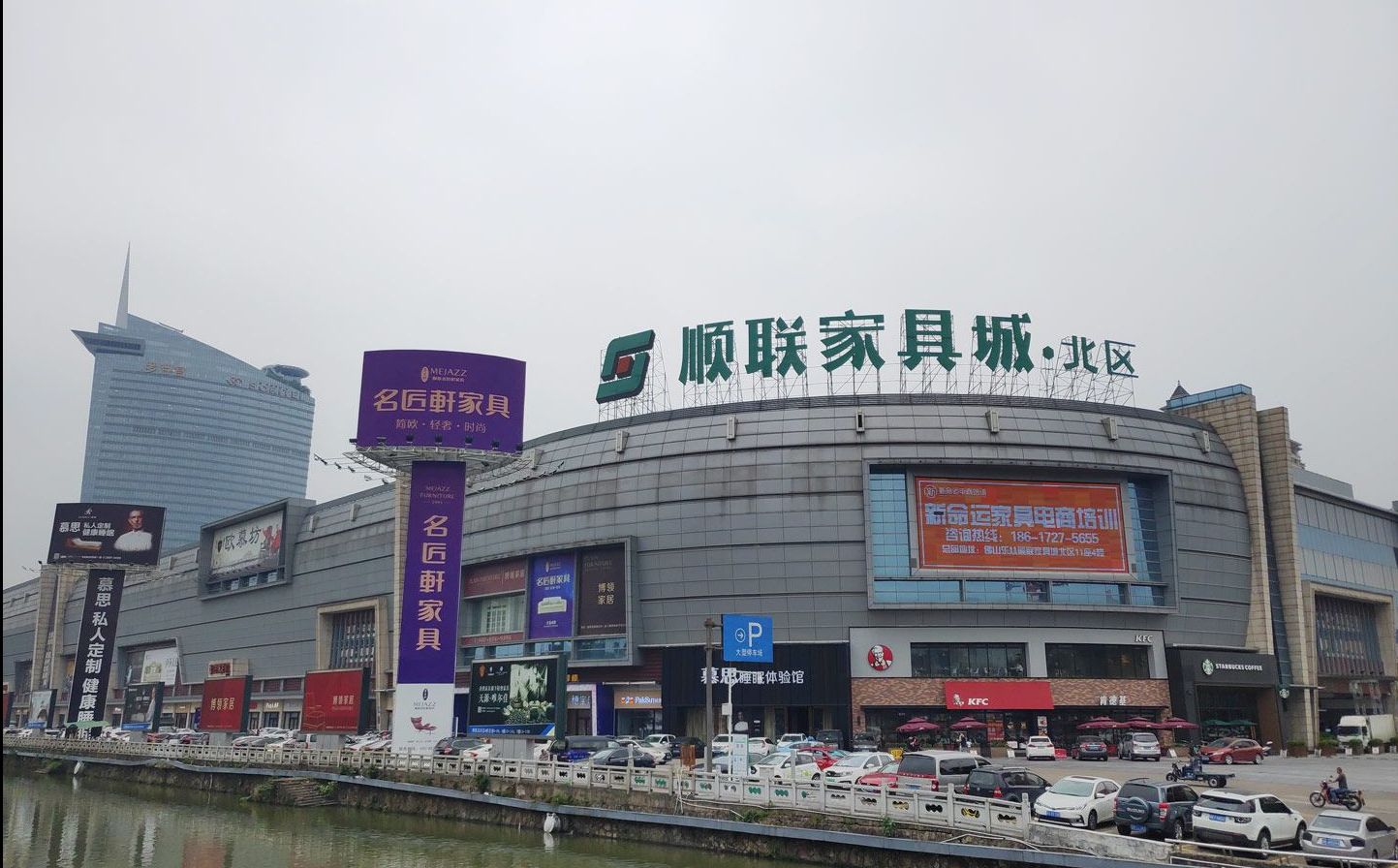
What it's best for: Contemporary designs, younger aesthetics, clients who want furniture that feels current rather than traditional.
Shunde doesn't get as much attention as Lecong or Louvre, but it's become a hub for more design-forward, contemporary furniture. If your aesthetic leans minimalist, Scandinavian-influenced, or modern Asian fusion, Shunde is where you'll find manufacturers who really understand those styles.
The vibe here is noticeably different younger designers, more experimental forms, willingness to push boundaries on materials and construction techniques. One client described it as "Lecong's creative younger sibling".
The Markets You Can Skip (Unless You Have Specific Reasons)
Longjiang Furniture Market: Primarily focused on budget and mid-range furniture for domestic Chinese consumption. Unless you're furnishing large-scale affordable housing projects, your time is better spent elsewhere.
Online wholesale platforms (Alibaba, 1688): Great for initial research and price comparison, terrible for luxury furniture procurement. You can't assess quality through photos, verification of manufacturer claims is nearly impossible, and you have zero recourse when things go wrong.
The Navigation Strategy That Actually Works
Here's how professional buyers approach Foshan markets:
Pre-trip research: Work with your sourcing partner to identify 15-20 specific manufacturers whose capabilities match your project requirements. Schedule appointments in advance.
Day 1-2: Hit the Louvre Market and Red Star Macalline to establish your quality benchmark and see what's possible. Take extensive photos, collect samples, gather pricing.
Day 3-4: Tackle Lecong with laser focus on the manufacturers you pre-selected. Your local guide should be steering you directly to relevant buildings and showrooms, not wandering randomly.
Day 5: Revisit top 3-5 manufacturers to finalize selections, negotiate terms, and place orders.
This structured approach means you see what matters without drowning in irrelevant options.
Why You Absolutely Cannot Do This Solo
Look, I'm sure someone somewhere has successfully navigated Foshan markets independently. But the plural of anecdote isn't data.
The reality is this: language barriers, cultural negotiation differences, inability to verify manufacturer claims, no recourse for quality issues, logistical complexities of shipping and customs. Any one of these can derail your project.
When clients ask why they need Minose's guided tours, I tell them: "You can technically navigate Tokyo without speaking Japanese. But wouldn't you rather have a guide who knows which restaurants are exceptional versus tourist traps, who can negotiate on your behalf, who can solve problems when they arise?"
That's what professional sourcing provides expertise, relationships, accountability, and peace of mind.
The Journey from Showroom to Living Room
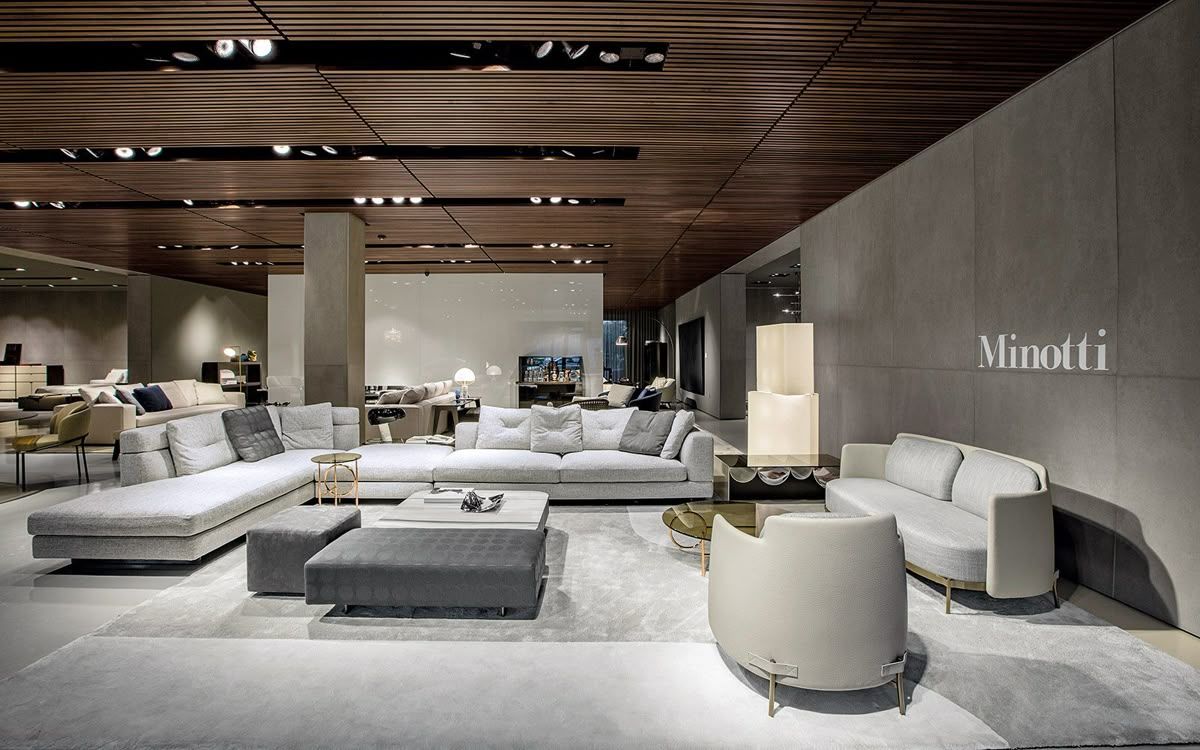
Once you've selected furniture and placed orders, the real work begins. Manufacturing takes 8-16 weeks depending on customization complexity. During production, quality control inspections happen at multiple stages.
After passing pre-shipment inspection, furniture gets packaged for ocean freight. Transit to India typically takes 3-4 weeks. Customs clearance adds another 1-2 weeks.
Finally, installation day arrives. Minose's team unpacks everything, positions pieces with precision, and doesn't leave until you're completely satisfied.
From first showroom visit to furniture gracing your home, you're looking at roughly 3-4 months. Which sounds long until you compare it to European luxury furniture makers who often quote 6-8 month timelines.
What Makes the Journey Worth It
A client once told me, "Walking through my home now, every piece of furniture has a story. I remember selecting the marble for this dining table, choosing the leather for that sofa, watching craftsmen carve details on this credenza. That connection makes my space feel truly mine in a way showroom shopping never could".
That's what Foshan sourcing offers not just furniture, but the experience of participating in its creation. From Lecong's bustling markets to your living room's serene space, the journey transforms procurement into something memorable.