2025 Luxury Furniture Sourcing Trends: What High-Net-Worth Individuals Need to Know
The Luxury Furniture World Is Moving Fast Are You Keeping Up?
Last week, a client showed me furniture he'd ordered eighteen months ago from a European manufacturer. Beautiful pieces, no question. But as I looked at them, I realized something: they were designed for 2023.
The furniture industry is experiencing its most dramatic transformation in decades, driven by technology, changing consumer expectations, and manufacturing innovation. If you're making luxury furniture decisions based on how things worked five years ago, you're already behind.
Let me walk you through what's actually happening right now in luxury furniture sourcing the trends that are reshaping how smart buyers approach their projects in 2025.
Trend #1: Mass Customization Is the New Luxury Standard
"Luxury" used to mean buying from exclusive brands with limited editions. In 2025, luxury means furniture designed specifically for you that nobody else has.
China's furniture manufacturers have invested billions in flexible manufacturing systems that make true customization economically viable. We're not talking about choosing from ten fabric options we're talking about completely bespoke designs.
Advanced CNC machinery, modular production systems, and digital design workflows mean custom furniture no longer requires months of lead time or prohibitive costs. Foshan manufacturers can execute one-off custom designs almost as efficiently as catalog production.
What this means for buyers: Stop settling for "close enough" from existing collections. The furniture industry has finally caught up to other luxury sectors where bespoke is standard custom tailored suits, personalized jewelry, made-to-measure vehicles.
Trend #2: Smart Furniture Is No Longer Optional
Luxury buyers in 2025 expect furniture to be intelligent.
I'm talking about nightstands with integrated wireless charging, sofas with USB ports and adjustable powered headrests, dining tables with hidden pop-up electrical outlets, beds with sleep-tracking sensors and climate-controlled mattresses.
European furniture manufacturers? Most are still treating technology integration as an afterthought. Chinese manufacturers saw this trend coming years ago and built production capabilities around tech integration.
The factories Minose partners with have dedicated departments for electronics integration proper wiring management, safety certifications, seamless aesthetic integration where technology disappears into design.
One client recently commissioned a home office desk with motorized height adjustment, integrated cable management, wireless device charging zones, and hidden compartments with biometric locks. Try getting that from a traditional European furniture maker.
Trend #3: Sustainability Has Become Non-Negotiable
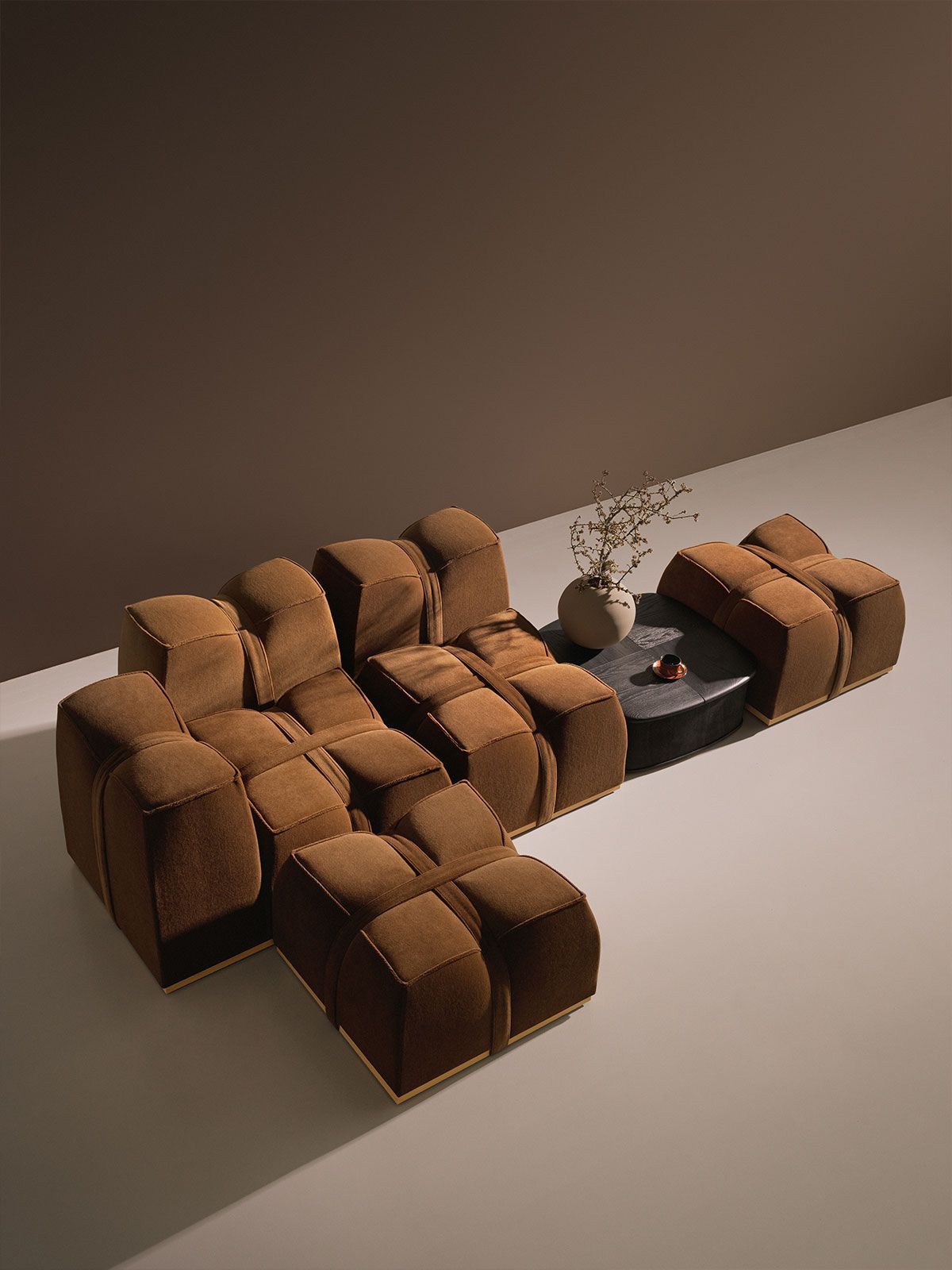
High-net-worth individuals in 2025 are increasingly conscious about environmental impact.
This isn't performative environmentalism it's substantive concern about material sourcing, manufacturing processes, and lifecycle sustainability.
What this looks like in practice:
- FSC-certified wood from sustainable forests
- Low-VOC finishes and adhesives
- Leather from tanneries using chromium-free tanning processes
- Recycled metal components in hardware
- Modular furniture designs that allow component replacement rather than full disposal
Premium Chinese manufacturers have embraced sustainability certifications because international luxury clients demand them. Many Foshan factories now exceed European environmental standards precisely because they're pursuing global certifications.
When you're sourcing through Minose, we verify that manufacturers meet ISO 14001 environmental management standards and maintain relevant sustainability certifications.
Trend #4: Hospitality-Grade Quality for Residential Projects
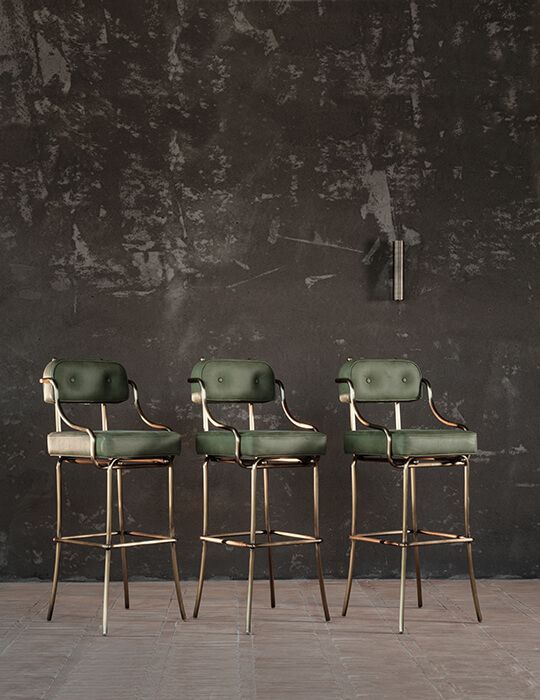
Here's a fascinating shift: luxury homeowners are increasingly requesting commercial hospitality-grade furniture for residential applications.
Why? Because hotel furniture is engineered for durability, intensive use, and easy maintenance qualities that translate beautifully to family homes with children, pets, and frequent entertaining.
The structural integrity of a hotel lobby sofa designed to accommodate thousands of guests annually? That's furniture that will last generations in a residence. The stain-resistant, easy-clean finishes used in luxury hotel suites? Perfect for homes with active lifestyles.
Chinese manufacturers excel at hospitality furniture because they produce enormous volumes for international hotel chains. They understand the engineering, testing, and quality standards required for commercial applications.
Minose regularly sources "residential hospitality" furniture pieces with hospitality-grade construction and residential aesthetics. It's a category that barely existed five years ago and is now among our fastest-growing segments.
Trend #5: Modular and Reconfigurable Design
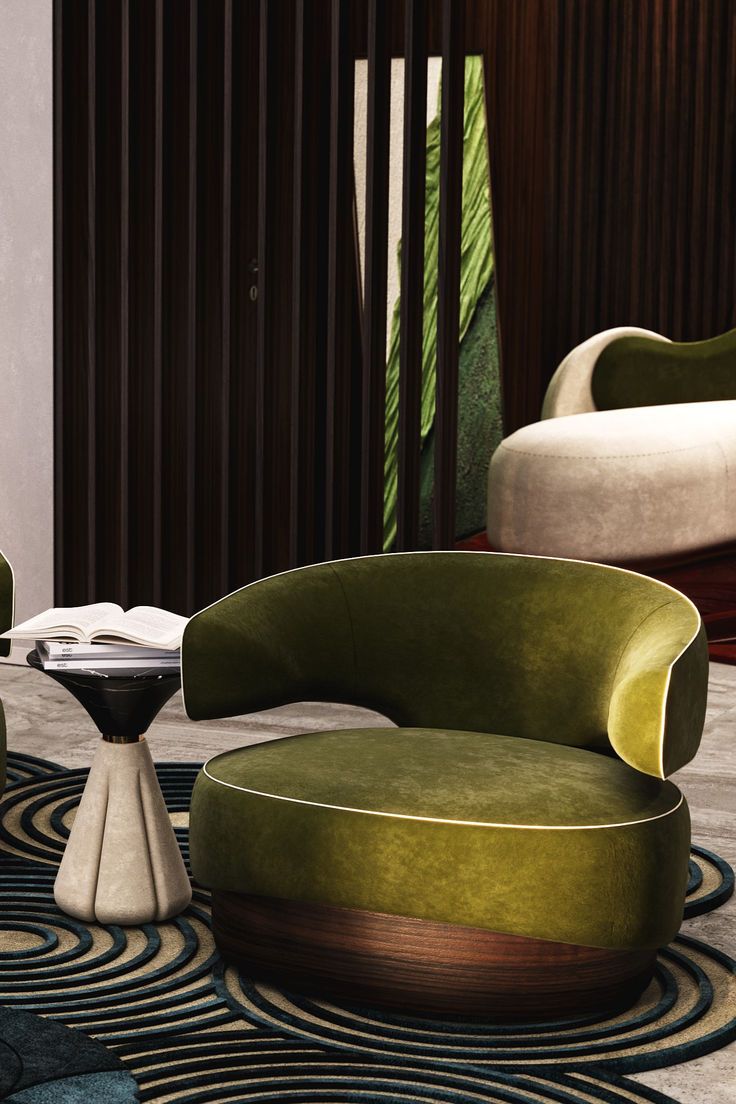
Static furniture is out. Adaptable furniture is in.
Luxury buyers want spaces that evolve with their needs dining tables that expand for large gatherings then contract for intimate dinners, sectional sofas with components that reconfigure for different occasions, storage systems that adapt to changing requirements.
This trend reflects broader lifestyle shifts: more people working from home (requiring spaces that transition between living and working), multi-generational living arrangements (needing furniture that accommodates varying mobility levels), and simply faster-paced lives where flexibility is valuable.
Chinese manufacturers have embraced modular design because their production systems handle complexity well. Creating furniture with interchangeable components, hidden mechanisms, and reconfigurable structures requires sophisticated engineering exactly what advanced Foshan factories do best.
Trend #6: Biophilic Design Integration
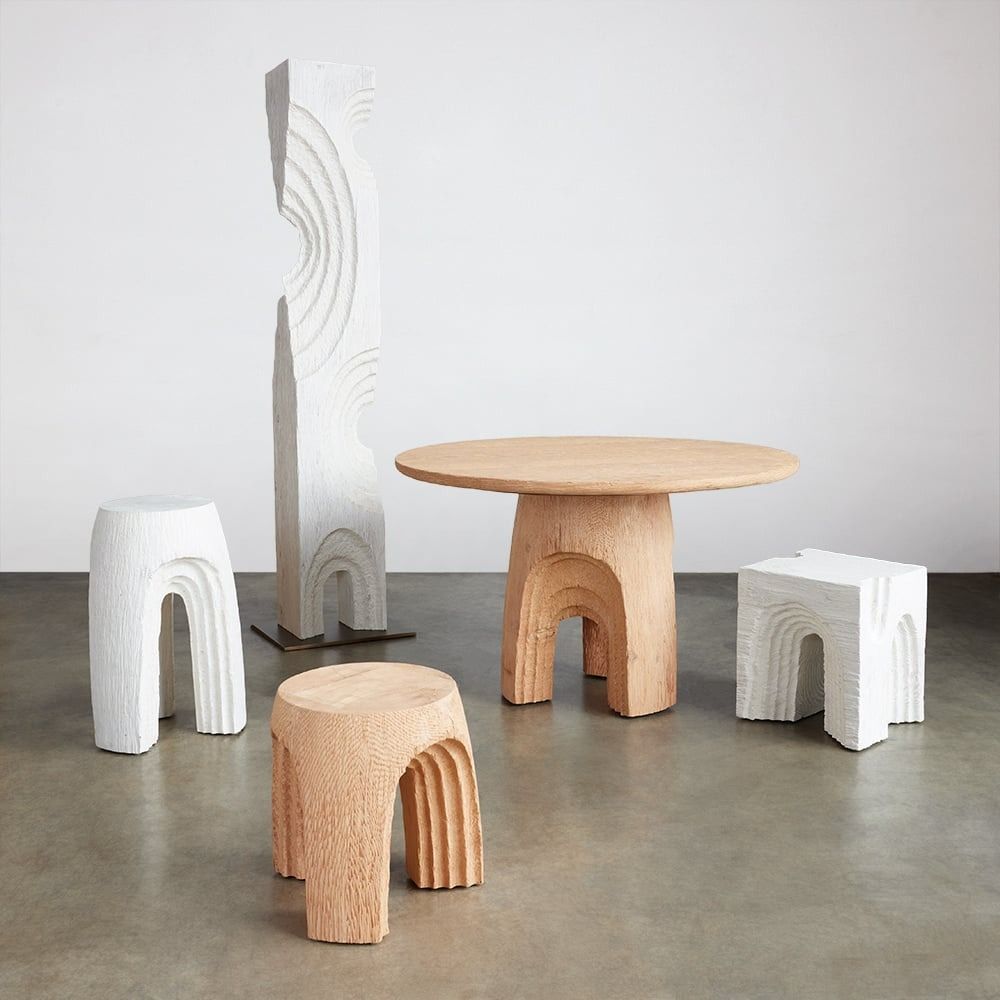
Bringing nature into interior spaces through furniture design has exploded in 2025.
We're seeing organic shapes that echo natural forms, materials that celebrate rather than conceal natural characteristics (live-edge wood, stone with prominent veining, textured natural fibers), and actual integration of plants into furniture design.
One recent Minose project featured a custom credenza with integrated planters using hydroponic systems—living plants as functional design elements. Another client requested a dining table preserving the natural edge and checking of a rare wood slab, celebrating "imperfections" as authentic beauty.
This trend requires manufacturers comfortable with material unpredictability and willing to work with irregular, organic forms. Traditional European workshops often struggle with this because their systems expect regularity. Chinese manufacturers, with advanced CNC capabilities and flexible craftsmen, handle biophilic design beautifully.
Trend #7: Transparent Sourcing and Manufacturing Stories

Luxury buyers in 2025 want to know where their furniture comes from, who made it, and how it was produced.
This represents a fundamental shift from brand-based trust (buying because it says "Minotti") to process-based trust (buying because you understand and appreciate the manufacturing journey).
This is where direct sourcing shines. When you source through Minose, you're not receiving a finished product with opaque origins. You're:
- Meeting the craftsmen building your furniture
- Seeing the facilities where production happens
- Understanding material sourcing and verification
- Receiving progress documentation throughout manufacturing
That transparency isn't just intellectually satisfying it's emotionally connecting. Your furniture carries stories that showroom purchases never provide.
Trend #8: Multi-Sensory Design Experiences
Luxury furniture in 2025 engages multiple senses beyond just visual aesthetics.
Tactile experiences: Varied textures within single pieces smooth leather contrasting with rough linen, polished metal against raw wood.
Auditory considerations: Furniture designed for acoustic properties upholstered panels that absorb sound in open-plan spaces, materials selected for pleasant acoustic signatures.
Olfactory elements: Natural materials chosen for subtle scent cedar, leather, specific wood species that contribute ambient fragrance.
Even thermal properties: Materials selected for temperature characteristics cool marble surfaces, warm wood, leather that adjusts to body temperature.
Chinese manufacturers are embracing multi-sensory design because their material flexibility and customization capabilities enable it. European manufacturers constrained by traditional material palettes and established production methods find this harder to execute.
What These Trends Mean for Your Furniture Decisions
If you're furnishing a luxury residence, hospitality project, or high-end office in 2025, these trends aren't optional considerations they're increasingly standard expectations.
Working with sourcing partners who understand and can execute these trends makes the difference between furniture that feels current versus dated.
Minose's advantage is that our Foshan manufacturer network has already embraced these directions. Smart furniture integration? Standard capability. Sustainability certifications? Already implemented. Modular, reconfigurable design? They excel at it.
The luxury furniture world is evolving faster than ever. The question is whether your sourcing approach is evolving with it.